


How Many Years Can I Expect My Partial Dentures to Last Before Needing a Replacement?
January 1, 2026Partial dentures are a proven way to fill gaps when several teeth are missing. They restore chewing, help speech, and bring back confidence in your smile. Still, they are not permanent. Most patients want a clear answer on how long they can expect their appliance to serve before a swap is due.
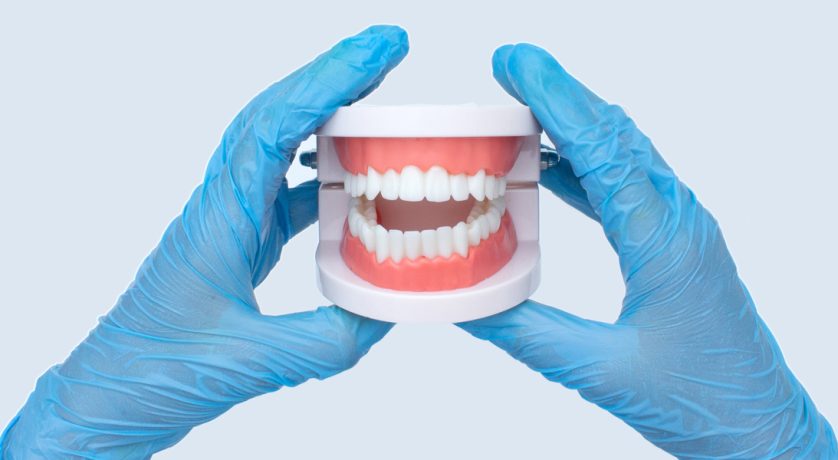
Knowing the typical lifespan and what shortens or extends it helps you protect your mouth and keep a steady, comfortable bite. If you’ve been searching for partial dentures near you in Boynton Beach, FL 33426, this guide lays out what to expect and how to make the most of your investment.
Average Lifespan of Partial Dentures
Most partials last five to ten years. That range is broad because each mouth is different, and daily use varies. Several factors shape the timeline:
Material Quality. Acrylic or flexible bases often wear out sooner than metal frameworks. Metal clasps and rigid bases tend to hold shape longer under stress.
Daily Wear and Tear. Biting into hard foods, grinding, or wearing the appliance for very long stretches pushes the material. The more force, the faster small changes add up.
Bone and Gum Changes. After tooth loss, the jaw and gum line shift over time. Even a great fit on day one can loosen as your mouth remodels.
Care Routine. Cleaning, soaking, and safe storage slow down odor, staining, and warping. Skipping care invites plaque, surface scratches, and fit issues.
A six-month checkup schedule is wise. Your dentist can gauge fit, make small adjustments, and advise on relining to extend comfort and stability. With prompt touch-ups, many patients add years before a full replacement is needed.
Maintenance Tips to Extend the Life of Partial Dentures
Consistent, simple habits protect both your appliance and your oral health. Use these steps to add time to the clock:
Clean Daily, Gently. Choose a soft denture brush with a non-abrasive cleanser to avoid scratches. Regular toothpaste can scratch the surface, which traps plaque and stains.
Soak Overnight. Most appliances need moisture to maintain shape. Place them in a denture-approved soak or plain water when not in use. Avoid hot water, which can warp the base and loosen the fit.
Handle with Care. Clean over a folded towel or a sink filled with water. A short drop can crack a flange or clasp and change how the denture sits.
Maintain Oral Hygiene. Brush natural teeth, gums, and tongue each day. A healthy mouth supports the teeth and tissues that anchor the partial.
Schedule Regular Checkups. Even when the fit feels fine, small pressure points or shifts can start unnoticed. Early tune-ups prevent bigger repairs.
Avoid DIY Repairs. Home glues and quick fixes can damage the base or irritate tissues. When in doubt, call your dental office for a proper repair or reline.
Store Properly. Keep the appliance in a clean case, away from pets and direct sunlight. Good storage preserves the shape and helps prevent drying.
Consistent care not only extends the life of your partials but also keeps your gums and remaining teeth healthy. For personalized guidance and maintenance tips, reach out to a dentist near me to ensure your smile stays strong and comfortable.
Signs It’s Time to Replace Your Partial Dentures
Even well-cared-for appliances reach the end of their service. Watch for these signs and schedule a visit to the dentist’s office near me when they appear:
- Looseness or Slipping
If you have partial shifts during meals or speech, the fit may no longer match your mouth. Changes in the gum and bone can make the original mold less accurate.
- Sore Spots or Irritation
Red areas, rubbing, or recurring tenderness suggest uneven contact or a damaged area. Ongoing discomfort is a cue to get the fit checked.
- Difficulty Chewing
When your bite feels off or certain foods become hard to handle, the alignment may have shifted. Continuing to push through can strain your jaw and natural teeth.
- Cracks, Chips, or Discoloration
Small fractures weaken the structure and trap bacteria. Stains and odors can point to worn surfaces that need professional attention.
- Speech Changes
If sounds seem different or your tongue feels crowded, the shape or seating depth may have changed enough to require a redo.
- Gum or Facial Changes
With time, gums may recede, and facial support can drop. If your partial starts to look sunken or no longer supports your cheeks and lips, a new appliance can restore a natural outline.
When you notice any of these issues, act before the appliance turns painful or unreliable. Your dentist in 33426 can assess whether a quick reline, a targeted repair, or a complete replacement is the best course.
Final Thoughts
Partial dentures restore function and confidence. While many last for several years, the true lifespan depends on your material type, daily habits, and the natural changes in your mouth. Stay consistent with care and see your dentist on schedule to preserve fit, comfort, and oral health.
If looseness, rubbing, or visible wear shows up, schedule a visit. Timely relining or replacement helps you avoid soreness, improve chewing, and maintain a balanced bite.
For thoughtful, detail-oriented care, visit Quantum Dental in Boynton Beach, FL. Our team helps patients select the right design, fit it with precision, and keep it lasting for years with clear guidance and follow-up.
Author's Bio

Dr. Deyab
Dr. Deyab designs Partial Dentures to replace missing teeth while preserving remaining natural teeth. These appliances improve chewing ability and smile balance. At Quantum Dental, patients looking for a dentist office near me receive custom-fit denture options.