

Dental problems can begin without causing pain or other noticeable symptoms. Early tooth decay, gum inflammation, and problems around existing restorations can progress before you notice discomfort. Preventive dentistry near you can help identify these concerns through routine examinations, professional cleanings, and diagnostic imaging when clinically appropriate. Quantum Dental provides preventive dental care, including exams and cleanings, in Boynton Beach.
Read More
Can Dental Veneers Correct Slightly Uneven Teeth?
September 1, 2026Yes, veneers can make slightly uneven teeth appear straighter and more balanced in selected cases. These thin, tooth-colored coverings are placed over the visible surfaces of teeth to modify their shape, color, and proportions.
Veneers do not physically reposition teeth. They conceal limited cosmetic irregularities, while braces and clear aligners move teeth into different positions. A dental examination is therefore necessary to identify whether unevenness comes from tooth shape, tooth position, crowding, or a problem with the bite.
Read More
Can Teeth Contouring Improve Slightly Crooked Teeth?
August 1, 2026Have you ever looked in the mirror and noticed that one tooth sits just a little higher than the others? It is not enough to make you consider braces, but it is enough to catch your attention every time you smile. Many people with minor imperfections wonder whether reshaping a tooth could create a more balanced appearance. A dentist in Boynton Beach, FL, can evaluate your smile and determine whether teeth contouring is an appropriate solution for minor irregularities. While it cannot move teeth into new positions, this simple cosmetic procedure can improve the appearance of mild irregularities and create a more even-looking smile.
Read More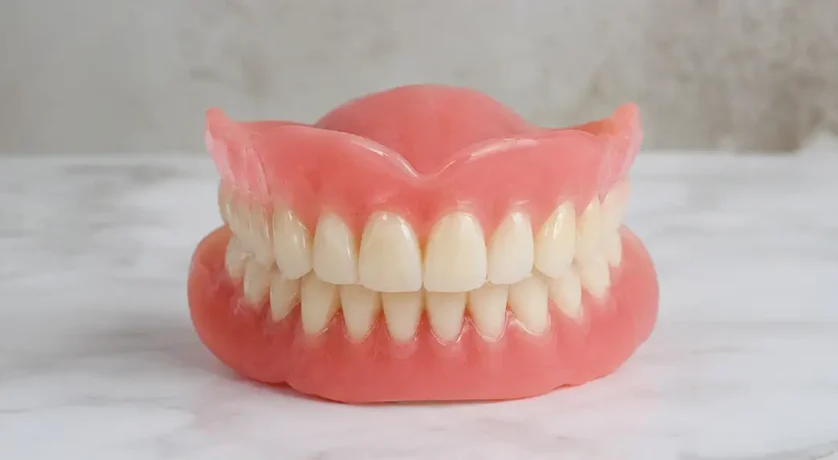
Many denture wearers are surprised to learn that dentures often need replacement because of changes in the mouth, not because the appliance itself has been damaged.
Read More