Can Dental Veneers Correct Slightly Uneven Teeth?
September 1, 2026Yes, veneers can make slightly uneven teeth appear straighter and more balanced in selected cases. These thin, tooth-colored coverings are placed over the visible surfaces of teeth to modify their shape, color, and proportions.
Veneers do not physically reposition teeth. They conceal limited cosmetic irregularities, while braces and clear aligners move teeth into different positions. A dental examination is therefore necessary to identify whether unevenness comes from tooth shape, tooth position, crowding, or a problem with the bite.
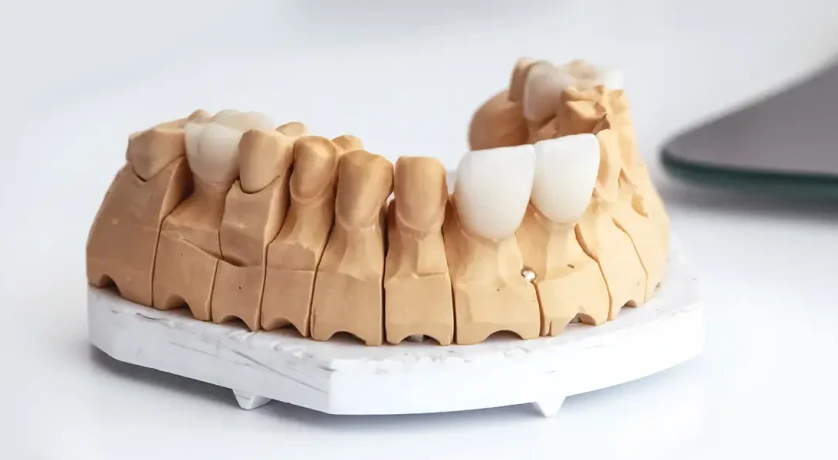
Patients considering dental veneers in Boynton Beach, FL should understand this distinction before choosing treatment. Veneers may address differences in proportion, whereas teeth that require movement may need an orthodontic evaluation.
How Veneers Can Improve Uneven Teeth
The American Dental Association describes veneers as custom-made, natural-looking coverings for teeth. Porcelain veneers are fabricated as thin shells, while composite material may be applied and shaped directly on the tooth.
By adjusting the contour and shade, a dentist can help a short, worn, chipped, or misshapen tooth blend more naturally with adjacent teeth. Depending on the patient’s oral health and cosmetic goals, veneers may improve:
- Small differences in the length or width of visible teeth
- Minor chips, worn edges, or irregular contours
- Slight spaces that disrupt the smile line
- Teeth that appear out of proportion with their neighbors
- More than one cosmetic concern, such as shape and discoloration
The purpose is to create better visual balance. The underlying teeth remain in their original positions.
Veneers should not be viewed as a substitute for every type of alignment treatment. The American Association of Orthodontists explains that veneers do not correct malocclusions, which involve how the teeth or jaws fit together.
If unevenness occurs with substantial crowding, difficulty chewing, or a bite problem, an orthodontic assessment may be more suitable. This evaluation helps distinguish a cosmetic difference from an alignment concern that could affect function.
When Veneers May Be a Good Option
Veneers can be explored when only a small visual change is needed, and there are no untreated dental or gum problems. They can be particularly useful when tooth shape creates an unbalanced appearance even though the bite is stable.
Before recommending veneers, a dentist in Boynton Beach, FL will consider:
- The cause and extent of the irregularity
- The amount and condition of the available enamel
- The health of the teeth and gums
- How the upper and lower teeth meet
- Habits such as clenching, grinding, or biting hard objects
- The patient’s expectations and willingness to maintain the restorations
Tooth decay and gum disease require attention before veneer placement. Grinding or a deep overbite may also expose restorations to excessive pressure. A photograph or online description cannot establish candidacy; an in-person examination is required.
Quantum Dental’s Boynton Beach office is located in ZIP code 33426 and provides veneer consultations for patients with cosmetic concerns. The dentist can examine the teeth, gums, enamel, and bite before discussing whether veneers are appropriate.
Veneers, Orthodontics, or Dental Bonding?
Selecting among veneers, bonding, and orthodontic care begins with identifying what needs to change.
Veneers modify the visible surfaces of teeth. Braces and clear aligners reposition teeth, making an orthodontic evaluation more relevant when alignment or bite relationships need correction. Treatment length varies according to the condition and method being considered.
Dental bonding offers another cosmetic option for minor chips, small spaces, or differences in contour. A dentist applies tooth-colored composite resin directly to the tooth and shapes it to create a more balanced appearance.
When comparing bonding with porcelain veneers, patients should ask about:
- The amount of enamel preparation involved
- Resistance to staining and wear
- Repair and replacement considerations
- The number of visits that may be needed
- Expected maintenance for each material
Each option has different advantages and limitations. Treatment planning should prioritize the patient’s needs without removing unnecessary healthy enamel.
When choosing a dentist near Boynton Beach, look for a consultation that considers more than appearance. Bite function, enamel health, alternative procedures, limitations, and long-term maintenance should all be part of the discussion.
What to Expect During Veneer Treatment
The procedure varies according to the veneer material and individual care plan. Porcelain veneer treatment commonly includes an examination, tooth preparation, an impression or digital scan, and another appointment to check and bond the custom restoration. A temporary veneer may be worn while a dental laboratory creates the final one.
Composite veneers are generally shaped directly on the teeth and hardened with a curing light. Their preparation and placement differ from those required for porcelain restorations.
Porcelain veneer placement usually involves removing some enamel so the restoration can fit properly. Preparation for composite material can vary. When enamel is removed for veneer placement, that part of the procedure is irreversible because enamel does not grow back.
Veneers also have a finite service life. They can chip, loosen, wear, or eventually require repair or replacement. If the bite feels uncomfortable after placement, the dentist should evaluate it.
A nearby dental office should explain these considerations before treatment begins rather than presenting veneers as a permanent or maintenance-free solution.
How to Care for Dental Veneers
Good oral hygiene protects the restorations and the natural teeth supporting them. Cavities can still develop around veneer margins or on uncovered tooth surfaces.
Recommended care includes:
- Brush twice daily with fluoride toothpaste.
- Clean between the teeth every day.
- Avoid biting fingernails, ice, packaging, or other hard objects.
- Wear an appropriate mouthguard during sports.
- Discuss clenching or grinding with the dentist.
- Attend routine dental examinations and professional cleanings.
During follow-up visits, the dentist can inspect the veneer margins, surrounding gums, supporting teeth, and bite. A loose or damaged restoration should be evaluated promptly.
Frequently Asked Questions
Can Dental Veneers Correct Slightly Uneven Teeth?
Veneers can improve the appearance of mild unevenness by changing the visible shape, size, and proportion of selected teeth. They do not reposition teeth or correct a bite problem, so the cause of the irregularity must be identified first.
Are Veneers Better Than Braces for Uneven Teeth?
Neither option is automatically better. Veneers conceal limited cosmetic differences, while braces move teeth and can address alignment or bite concerns. The appropriate choice depends on oral health, the source of the unevenness, and the desired change.
Can Dental Bonding Fix Slightly Uneven Teeth Instead of Veneers?
Bonding may improve certain chips, small spaces, or contour differences by adding tooth-colored resin. A dentist can determine whether bonding provides enough modification and explain how its care requirements compare with porcelain veneers.
Do Veneers Look Natural on Uneven Teeth?
Veneers are designed to coordinate with nearby teeth in shade, contour, and proportion. A natural appearance relies on careful planning, suitable case selection, and a design that complements the surrounding teeth.
Are Veneers Permanent for Correcting Uneven Teeth?
Veneers do not last indefinitely, although the enamel removal involved in placing them is generally irreversible. The restorations may need repair or replacement in the future.
Discuss Your Options With Quantum Dental
Slight unevenness can result from tooth shape, tooth position, or both. Schedule a consultation with a Boynton Beach dentist at Quantum Dental to determine whether veneers or bonding may address the concern. If the teeth require movement, the dentist can explain why a separate orthodontic evaluation should be considered.
Author's Bio

Dr. Deyab
Dr. Deyab provides Dental Veneers to address discoloration, gaps, or uneven teeth. These custom restorations are designed to improve the overall smile appearance. At Quantum Dental, patients seeking a dentist in Boynton Beach, 33426, can explore personalized veneer treatment options.